
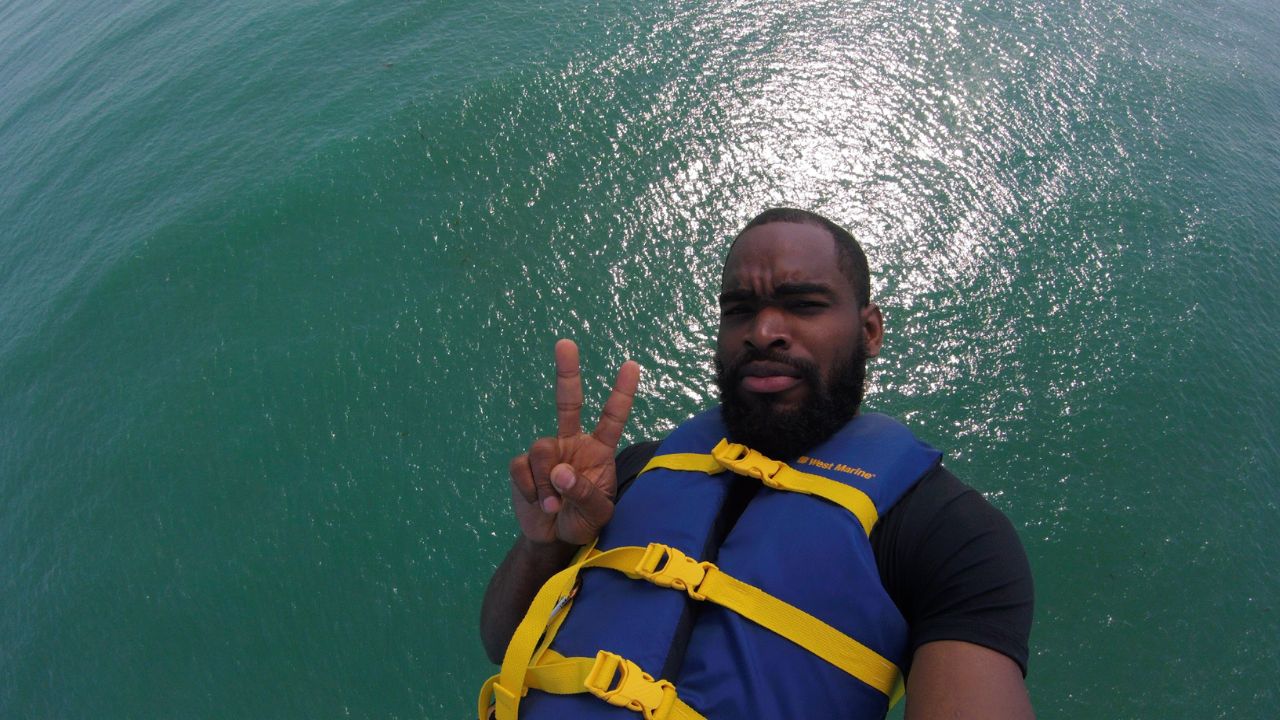
Yes, you can parasail alone if you meet the operator’s rules. Your weight, age, weather, and the captain’s decision all matter. But, a solo booking does not always promise a solo flight.
So, can you parasail alone in San Diego with confidence? Yes, but call the operator before booking. This quick check can prevent a frustrating surprise at the dock.
Can You Parasail Alone in San Diego?
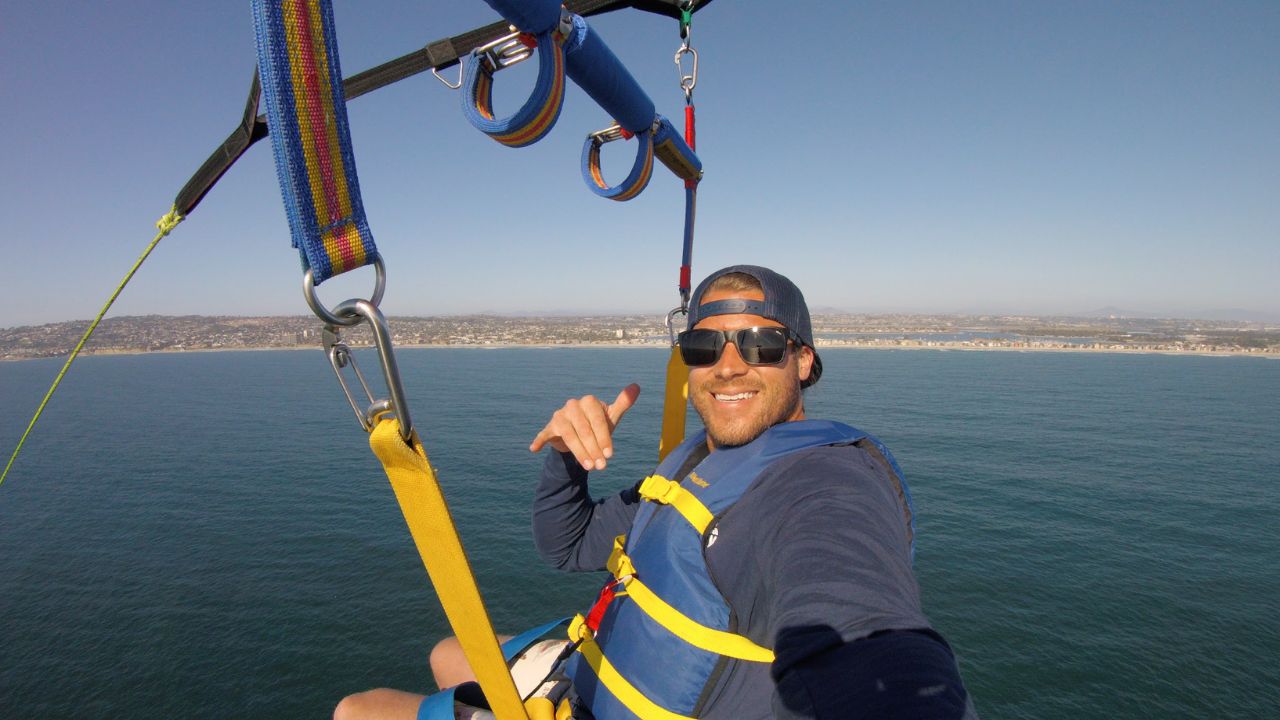
Parasailing alone does not mean renting a private boat. Other guests will likely join the same boat trip. You simply fly without another person beside you.
San Diego Parasail Adventures offers solo, tandem, and triple flight setups where the captain chooses the final setup for each guest including the checking of the harness and the chute. Wind, sea conditions, equipment, and passenger weights guide that choice.
Most guests fly tandem, according to the company’s current policy. However, solo flights remain possible when conditions support them. That detail matters when planning your day. You also do not need prior training. The crew explains the launch, hand signals, and landing steps. You only need to listen and follow their directions.
Why Solo Parasailing Has Special Rules
A parasail needs the right balance to rise smoothly. A light rider may climb too fast during strong winds. A heavy rider may need more boat speed in mild winds. That is why crews review each flight setup. They do not group people based on preference alone. The goal is a steady launch and controlled landing.
Think of it like choosing the correct kite for the wind. The same kite will not suit every breeze. Parasailing crews adjust the passenger load for the same reason.
So, could the plan change after you arrive? Yes, and that is normal. The captain may recommend tandem flying even after a solo request.
Weight Requirements for Solo Parasailing
San Diego Parasail Adventures lists an approximate solo minimum of 150 pounds. This figure is not a promise for every trip. The final limit depends on wind and sea conditions. A person weighing 150 pounds may fly solo one morning. That same person might need a partner on a windier afternoon.
Before choosing a solo flight, keep these points in mind:
- Published minimum: About 150 pounds for one rider.
- Weather factor: Wind and sea conditions can change the setup.
- Final decision: The captain approves every flight configuration.
- Combined limit: Tandem and triple flights have separate weight rules.
Never hide or lower your weight when booking. Accurate details help the crew plan the safest setup. This is not the time to shave off ten pounds.
Age and Health Rules for Solo Flyers
Age is not the only deciding factor. San Diego Parasail Adventures currently allows children aged six and older to participate. Young children must fly with an adult partner. The company also states that guests aged 15 to 17 may fly alone. But a parent or guardian must sign their waiver. Weight and weather rules still apply to these teens.
Adults must also consider their health and mobility. You need to sit securely in the harness and must also board the boat and follow crew directions. If you have a recent injury or health concern, contact the operator before paying. Their team can explain any limits tied to the boat or harness.
Is It Safe to Parasail Alone?
Yes, it is safe to parasail alone. Solo parasailing uses the same basic system as tandem parasailing. You wear a fitted harness and life jacket while the crew controls the towline from the boat. San Diego Parasail Adventures uses winch-direct parasailing. Using this system, guests rise from the boat’s rear flight deck and also return directly to that deck after flying.
You do not jump from a cliff and also do not steer the parasail yourself. The crew controls your ascent and return. Still, no outdoor flight is risk-free. Weather can shift, equipment can fail, and human mistakes can happen.
A careful operator works to reduce those risks. Also, a good captain checks the wind, water, gear, and passenger load. Those checks support every safe launch.
Flying alone may feel more intense at first. There is no friend beside you to crack jokes. But fear and danger are not the same thing. Once the towline extends, the boat noise begins to fade and the view opens over Mission Bay.
Solo Versus Tandem Parasailing
Solo flying offers quiet and a clear view. You can look in every direction without leaning around someone. It can feel calm, private, and free. On the other hand, tandem flying gives you shared support. A friend can laugh with you during takeoff. You also get someone beside you when the height feels real.
Neither setup is automatically better. The best choice depends on your weight and comfort and the weather may make the final choice for you.
What If You Are Too Light and Have No Partner?
Ask about pairing before you pay. Do not wait until you reach the marina. Each operator handles unpaired guests in a different way. The crew may pair you with another willing guest. Yet another solo rider may not be on your trip. Pairing is never something you should assume.
You may also need to switch dates or times. Conditions could allow a solo flight later and the operator may offer another option based on its policy.
What to Expect During Your Solo Flight
The full trip includes more than your airtime. You check in, board the boat, hear instructions, and wait your turn. The crew then fits your safety gear. When called, you sit on the flight deck. The crew clips your harness to the parasail bar. The towline then extends at a slow pace.
There is no wild leap into the air. Your feet rise from the deck as the line moves out. Soon, Mission Bay looks like a bright blue map. The return feels just as smooth in normal conditions. The winch draws you back toward the boat and you land on the deck instead of entering the water.
San Diego’s coastal wind can grow stronger later in the day. Morning conditions are often calmer, though no time guarantees perfect weather. Light solo riders should ask whether an early slot may help.
Try the CloudHopper Flight Over Mission Bay
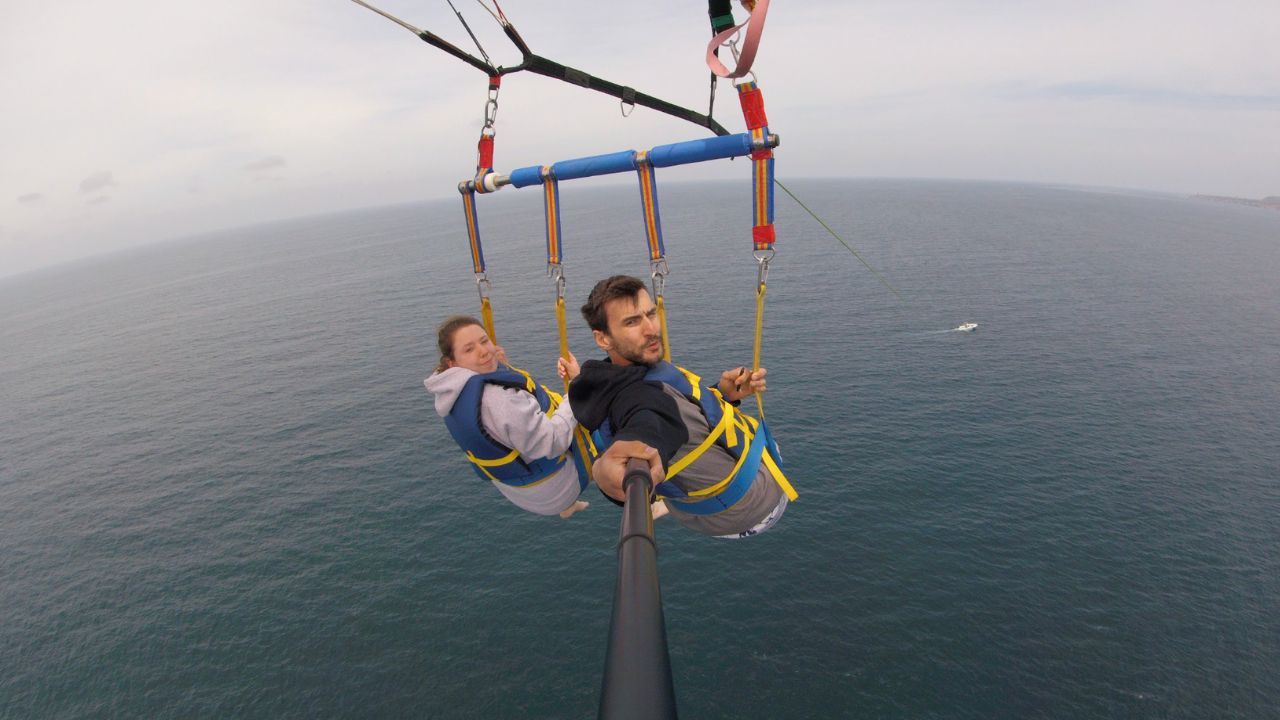
San Diego Parasail Adventures offers two flight choices. First-time solo guests may consider its popular CloudHopper flight. It uses 600 feet of flight line. The flight includes about six to eight minutes of airtime and the full boat and flying trip lasts about 1.25 hours.
This ride offers broad views over Mission Bay. It delivers height without choosing the company’s longer flight option. That can suit a cautious first-time flyer.
What to Wear and Bring
Wearing clothes that can handle light spray such as a secure shirt and shorts work well. Avoid loose hats that may fly away. Bring sunscreen, sunglasses with a strap, and identification. Leave loose jewelry and costly items on shore. Ask whether phones are allowed during the flight.
You may stay dry during a deck launch and landing. Still, spray can reach the boat on breezy days. Make sure to dress for water, not a cafe in La Jolla.
Smart Safety Checks Before Boarding
Before boarding, watch how the crew treats the gear and guests. The crew should explain the harness and flight process and should also answer weight questions without brushing them aside.
Before boarding, check these points:
- The crew provides a fitted life jacket.
- Staff inspect and secure each harness.
- The captain reviews current weather conditions.
- Guests receive clear launch and landing directions.
- The boat and deck appear clean and well-kept.
- Staff answer questions in plain language.
If something feels wrong, speak up. You are allowed to pause before flying. Safety matters more than losing a booking slot.
A Clear Final Takeaway
So, can you parasail alone during a San Diego visit? Yes, if your age, weight, and the day’s weather allow it. The captain still has the final word. Solo flying can feel peaceful instead of lonely. The key is honest planning and flexible expectations. Book the view, but let the crew choose the safest setup.
FAQs
Q1: Can you parasail alone for your first time?
Yes, first-time guests can fly solo when they meet all requirements. No prior parasailing skill is needed. The crew manages the launch, flight, and return.
Q2: What is the minimum weight for solo parasailing in San Diego?
San Diego Parasail Adventures lists an approximate 150-pound solo minimum. Wind, sea conditions, and equipment may change the day’s rule. Confirm the requirement before booking.
Q3: Will you land in the water?
San Diego Parasail Adventures uses a winch-direct system. Guests take off and land on the boat’s flight deck. Water dips may depend on conditions and operator policy.
Q4: Can you join the boat without a friend?
Yes, you can book as one guest. Other parties may share the boat trip. Flying alone refers to your harness setup, not a private boat.
Q5: Is solo parasailing scarier than tandem parasailing?
It can feel more intense because nobody sits beside you. Yet the flight system works in much the same way. Would you prefer shared laughter, or a quiet sky all to yourself?