
Parasailing is a fun water activity that gives you a calm flight above the sea. Many travelers ask if anyone can parasail at any weight, and the answer depends on safety rules set by each operator. We explain these rules in simple words so you can plan your trip with confidence.
Pair your visit with GO Parasailing Adventures and enjoy pure excitement in the sky. You’ll be guided by the team that brings safe thrills that make your heart race in the best way.
Whether you love adventure or you’re trying parasailing for the first time, the experience will leave you smiling and wanting more.
Understanding Parasailing Weight Limits
Most parasailing operators follow safe weight limits. In the U.S., operators licensed by the Coast Guard also follow strict safety practices during each ride. The exact limit depends on wind, gear, and boat strength. Some places allow solo flights, while others prefer tandem flights when wind conditions are light. These limits help the crew keep the ride smooth and prevent sudden drops or heavy swings.
Standard weight limits fall between 150 and 450 pounds combined, but these numbers may change by location. Operators check the wind before each flight. They adjust weight groups to match the weather and keep the ride stable.
Weight Limits for Parasailing in San Diego
Parasailing adventures should not limit you in any way. Yet, there are weight guidelines depending on current wind, sea conditions, and equipment safety checks at the time of your flight. These factors help the crew choose the safest setup for every rider. Go Parasailing offers three flight options to match different needs:
Solo Flight: Minimum weight of about 150 lbs for one rider.
Tandem Flight: Maximum combined weight of about 450 lbs for two riders.
Triple Flight: Maximum combined weight of about 450 lbs for three riders.
Why parasailing weight limits varies:
San Diego experiences shifting coastal winds, especially during late afternoon hours. On breezy days, operators may lower the maximum combined weight for stability and smoother flight control. Morning sessions usually allow higher easier flight due to calmer conditions.
Why Weight Limits Are relevant for Safety
The parasailing weight limit protects both the rider and the crew. They help the wing stay balanced during takeoff. They also keep the harness stable in the air. Very high winds can lift riders too fast. Very low winds can cause slow climbs or unstable movement. Weight rules help the crew avoid these risks.
The boat also needs enough power to handle the pull. If the weight is too high, the boat may struggle to keep speed. If the weight is too low, the wing may rise too quickly in windy weather. These limits ensure the best balance for a safe flight.
Solo vs. Tandem Parasailing Weight Rules
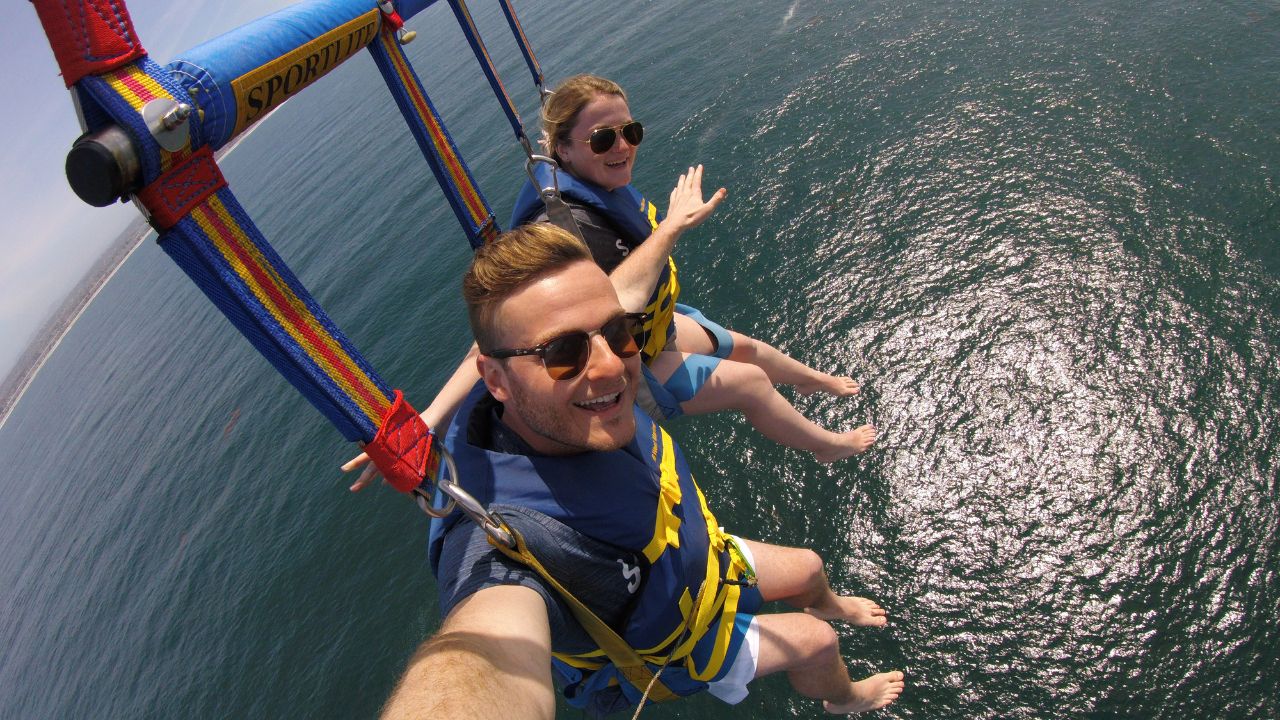
Some travelers prefer parasailing alone. Others enjoy parasailing adventures with a partner. Both are possible, but each option has its own rules.
Solo Flights
Solo flights need a minimum weight so the wing can rise smoothly. Light flyers may need to join a partner if the wind is strong or too low. This ensures a calm flight and steady height control.
Tandem Flights
Tandem flights combine your weight with your partner’s. Most operators allow tandem flights because they create better lift and balance in mild winds. Tandem flights also help the crew manage takeoff with ease.
Triple Flights
Some places offer triple flights. These need perfect wind conditions. They also require a higher total weight threshold to keep the wing balanced.
How Do Operators Measure and Approve Weight?
Operators ask for your approximate weight before the flight. This helps them plan seat groups. They may also use a scale to confirm total combined weight. This step is normal and ensures safe takeoff.
The weight measurement takes only a few seconds. It allows the crew to match you with the right seat and harness. They use this data to maintain control during the entire ride.
Weather Conditions That Affect Weight Rules
Weather plays a major role in flight safety. The crew changes weight groups if the wind shifts. Strong winds require heavier groups. Light winds need lighter groups. These adjustments keep the parasail stable.
Operators verify wind speed and wind direction before each session. They cancel flights if weather conditions change quickly. They may also delay takeoff until wind patterns stabilize. These decisions help prevent jerks, drops, or sudden swings.
What Should You Expect Before Takeoff?
The crew explains all safety steps before your flight. You learn how to sit in the harness. You also learn hand signals to use during the ride. The staff helps you wear the gear and secures the hooks to the chute.
The boat moves forward slowly, and you lift gently into the air. The process feels smooth, even for first-time riders. The crew stays alert and controls your height with care.
What Gear Is Used to Keep You Safe?
Parasailing gear includes a parachute wing, a strong rope, a harness, and a life jacket. The harness supports your legs and back. The jacket keeps you safe if you land in the water.
Each piece of gear is tested before use. The rope must handle strong tension. The wing must open fully to provide stable lift. Operators check all items multiple times during the day. These checks keep the experience safe for everyone.
Tips for a Safe and Enjoyable Parasailing Ride
Use these easy tips to make your ride smooth:
- Wear light clothes that dry fast.
- Listen to the crew during takeoff.
- Keep your back straight when rising.
- Use calm breathing to enjoy the view.
- Avoid sudden movements during flight.
These small steps help maintain balance in the air. They also keep you relaxed during the ride.
Is Parasailing Safe for First-Time Flyers?
Yes, parasailing is safe when done with trained professionals. Most riders have never flown before. The crew handles all the work. Your job is to sit calmly and enjoy the views.
First-time flyers often worry about height. However, the ride feels smooth and calm. The harness keeps you secure. You rise slowly and return gently to the boat deck or water surface.
Can Kids or Seniors Parasail Safely?
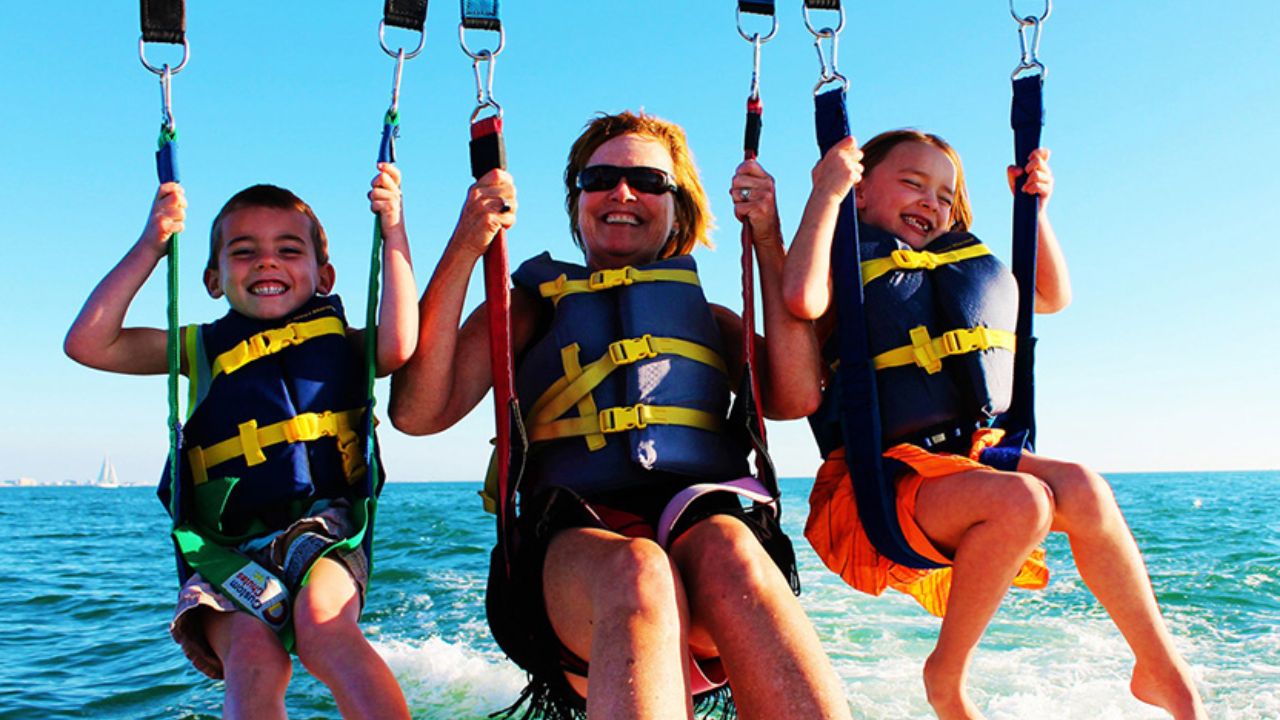
Kids can parasail if they meet the minimum weight. Some operators allow kids as young as six. Seniors can also parasail if they feel comfortable sitting in a stable harness.
The crew may ask a few questions to check comfort here at Go Parasailing. This helps them make sure you feel confident and ready before your flight.
Many families enjoy parasailing together. Tandem flights allow kids to fly with a parent. Seniors also enjoy the steady and gentle ride.
When Should You Avoid Parasailing?
Parasailing is not right for everyone. You should skip the activity if you have a condition that limits mobility. You should also avoid it if you feel uneasy with heights or strong wind. The crew will suggest alternatives if you feel nervous.
If you are feeling unwell before the flight, please notify the staff. They will help you decide if it is safe to fly that day.
Key Takeaway: You Cannot Parasail at Any Weight
You cannot parasail at any weight, but most people fall within safe limits. You can choose Go Parasailing, where professional US Coast Guard–licensed captains with a 100% safety record for over 30 years follow strict rules to keep every rider safe. They check weather and group weights before each flight. These steps keep your ride safe and enjoyable.
Parasailing is open to most travelers. With the right weight range, calm weather, and trained staff, your flight will feel smooth and relaxing. Always book with trusted operators who follow strong safety standards.