
Are you planning a boat ride or a water activity, but are afraid of getting sick? You’ve come to the right place.
Sea sickness is very common. It happens when your brain gets mixed signals from motion at sea, but the good news is that this problem is very preventable by taking the proper steps before and during your ride.
If you are planning parasailing with San Diego Parasail Adventures or a boat-based adventure, especially on a smaller boat, this guide is written exactly for you.
Why Does Sea Sickness Happen in the First Place

Before learning about the tips to prevent sea-sickness, let’s understand why it hits some people so fast.
Some people are quite sensitive to motion. Their inner ear senses motion, and their eyes see something else. Their brain does not like that argument and responds with nausea, dizziness, and cold sweats.
This disagreement gets worse during sickness on a small boat because the motion is quicker and more uneven. Short waves, sudden turns, and engine vibration all add fuel to the fire.
Proven Ways to Prevent Sea Sickness
Sea sickness can ruin your entire vacation if not treated. Here are some proven ways that will help you prevent sea sickness when doing any water activities or rides:
1. Preventing Sea Sickness by Choosing the Right Seat
Where you sit on the boat matters more than most people realize.
The middle of the boat feels the least motion as it is closer to the center, where the boat is more balanced. If you can, try picking a seat near the middle and sit facing forward.
A few quick tips that help here:
- Avoid sitting at the very back, where engine movement is strongest
- Skip the front when waves are choppy
- Stay seated instead of walking around the boat too much
This single choice can cut symptoms in half for many people.
2. Keep Your Eyes on the Horizon and Your Body Calm
Your eyes are powerful allies when it comes to balance. When you look at a fixed point like the horizon, your brain gets a clear message about motion.
Staring at your phone or camera can make things worse fast. We have seen people turn green within minutes while scrolling through photos on deck.
Instead:
- Look out at the water line
- Keep your head steady
- Avoid reading or texting
It feels simple, but it works because it fixes the brain confusion at the root.
3. Eat Smart Before the Ride
Many people don’t eat before a boat ride. But that is just as bad as eating too much. The sweet spot is light and simple food about one hour before boarding.
Greasy breakfast burritos and sugary pastries are a bad idea. So is skipping food entirely.
Better options include:
- Toast or crackers
- Fruits like bananas or apples
- Oatmeal or yogurt
Keep yourself hydrated. Water is good, but alcohol is not. Even one drink can lower your tolerance to motion and turn a fun trip into a long hour of regret.
4. Use Medication Wisely if Sensitive
If you already know boats make you sick, medication can be a smart move. Over-the-counter options to prevent seasickness like meclizine or dimenhydrinate are widely used in the US.
The key is timing. These work best when taken before symptoms start. Once nausea hits, they help less.
Important things to remember:
- A good time to take medicine is 30 to 60 minutes before the ride.
- Expect possible drowsiness
- Don’t mix it with alcohol
Remember to follow the label and check with a doctor if you have health conditions.
5. Natural Remedies that Actually Help
Not everyone wants pills, and that is fine. Some natural options have real backing and years of sailor use.
Ginger is one of the most effective remedies that works for most who suffer from sea sickness. It helps in calming the stomach and reducing nausea.
Other options include:
- Ginger tea or capsules
- Peppermint candy
- Acupressure wrist bands
Results vary by person, but these are low-risk and easy to try.
6. Dress for Comfort and Airflow
What you wear can make sickness on a small boat worse or better. Tight clothing, heavy jackets, and overheating all increase nausea. These tend to restrict your movement internally and externally.
The best thing to do is dress in layers. Fresh air helps a lot, especially if you start feeling off.
Helpful clothing tips:
- Go for breathable clothing options and fabrics
- Don’t wear tight waistbands
- Wear sunglasses to reduce eye strain
Standing in fresh air beats sitting in a stuffy cabin every time. This is one of the best things about parasailing with San Diego Parasail Adventures, as their boats are open and give enough air to breathe during the boat ride
7. Stay Hydrated and Sip Water During the Ride
Sun, wind, and salt air dry you out even if you do not feel sweaty. The best way to tackle this is by keeping yourself hydrated at all times. By that, we don’t mean for you to drink gallons of water at once.
Small sips of water during the ride help keep your body steady. Gulping large amounts can backfire, so go slow.
Avoid:
- Soda
- Energy drinks
- Strong coffee
Plain water or light electrolyte drinks are best.
Trust the Crew and Speak Up Early
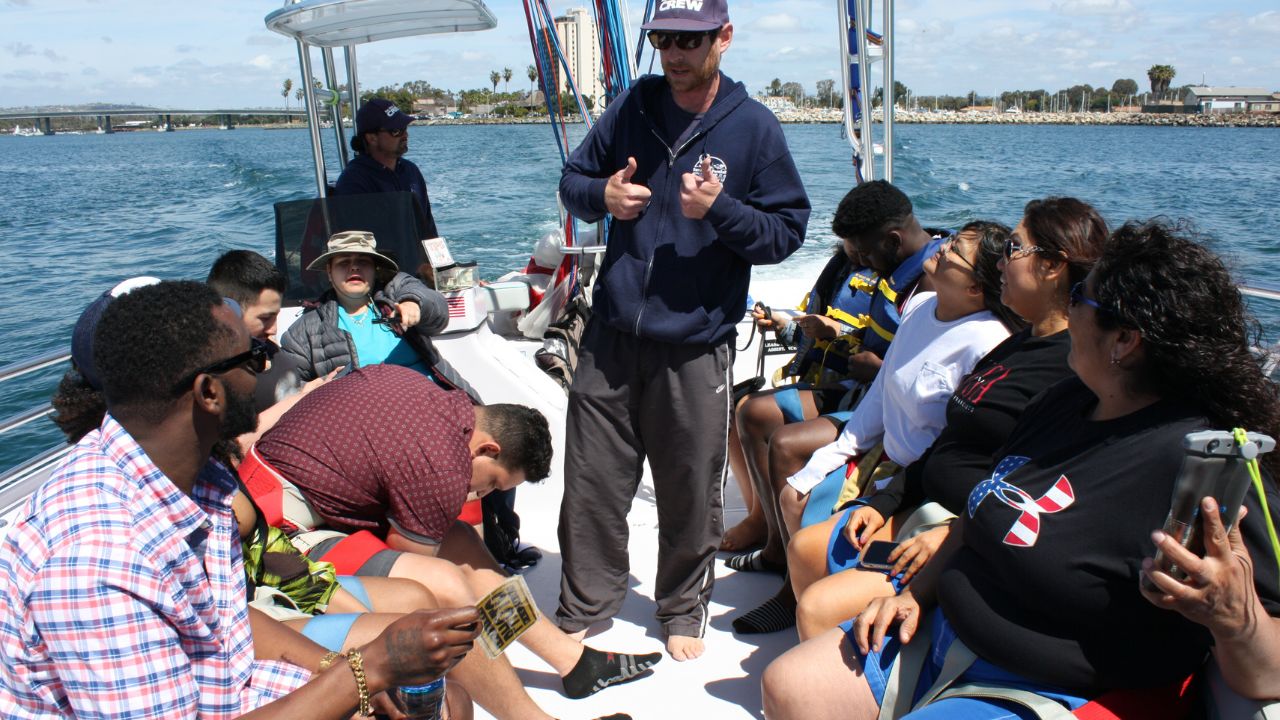
Boat crews like those at San Diego Parasail Adventures see seasickness every day. They know the signs before you do. If you feel even slightly off, tell them.
They can:
- Adjust speed when possible
- Suggest a better seat
- Help you focus on breathing
Trying to tough it out quietly often makes things worse. There is no badge of honor for feeling awful on vacation.
Breathe Slowly and Steadily When Motion Picks Up
This sounds almost too simple, but controlled breathing can calm nausea. When waves hit, people tend to tense up and breathe shallowly.
Slow breathing sends a calming signal to your nervous system. It reduces panic and helps your stomach settle.
You can try this instead:
- Inhale through your nose for four seconds
- Exhale through your mouth for six seconds
- Repeat for a few minutes
It is discreet, free, and surprisingly effective.
Is Sea Sickness Worse During Parasailing Rides
This is a common worry, and it is a fair one. Parasailing itself is smooth once you are in the air. Most discomfort happens during the boat ride before and after.
That is why knowing how to prevent sea sickness before boarding matters so much. The flight part feels calm and peaceful for most people. The boat ride is the part to prepare for.
If you follow the steps above, especially seating and food choices, most first-timers do just fine.
Is it Worth Booking if You are Prone to Motion Sickness
Many people just get scared before and cancel amazing experiences out of fear. But with planning, even people who get sick on a small boat can enjoy water activities.
The key is being honest with yourself and preparing ahead of time. Think about:
- What triggers your nausea
- The preventive measures you take
- Whether you’re comfortable communicating with the crew about this
If the answer is yes, the odds are strongly in your favor.
Follow the Measures and Have An Amazing Sea Experience
At the end of the day, the ocean should feel exciting, not intimidating. There’s a lot to do in the ocean and you wouldn’t want to ruin it by not taking preventive measures. But with the right prep, you can step onto the boat confident, relaxed, and focused on the experience instead of your stomach.