
Parasailing is generally safe, even if you’re scared of heights. We’ve seen many people who were scared of heights fly with us, and when they came down, they shared that they enjoyed the experience.
If you’re scared of heights, the idea of floating 300 feet above the ocean sounds like a bad dream. Your palms sweat just thinking about it, but here’s the twist most people don’t expect: parasailing doesn’t feel like standing on a cliff or looking down from a skyscraper. It feels calmer, softer, and almost unreal once you’re floating up in the air.
So, let’s walk you through the nine tips to prepare you for a safe flight.
Understanding Fear of Heights on Parasailing
First, we need to talk about what scares you. Is it the sudden drop? The sense of falling? Or that dizzy feeling when you look straight down?
Parasailing is different from cliff edges or glass balconies. There’s no hard ground beneath your feet. There’s no ledge, so no sense that you might slip. You’re secured in a harness, attached to a parachute, and gently lifted by a boat. Even the motion of you going up is slow and steady.
Most people who struggle with a fear of heights on parasailing report something surprising. Once they are up there, the fear fades. Why? Because:
- There is no wobbling platform.
- You are seated comfortably in a harness.
- The ascent is gradual, not sudden.
- The view feels wide and open, not vertical and sharp.
It feels more like sitting on a swing in the sky than standing at the edge of a building.
How High Is Parasailing and Why That Matters
Now let’s answer the question you must be wondering: “How high is parasailing?”
Most recreational parasailing flights go between 300 and 500 feet above the water. That’s roughly the height of a 30 to 50-story building.
That sounds high, and it is. But here’s the part people don’t tell you.
From that height, the water below looks calm and far away. You don’t feel like you’re on the edge of something. Rather, the wind supports the canopy, and the boat keeps steady tension on the line.
Because of that setup, the sensation is smooth rather than dramatic.
And remember, you are attached to a winch system on the boat, which the operators control to ascend and descend you slowly. You are not dropped, but gently reeled back in.
9 Smart Ways to Prepare If You Have a Fear of Heights on Parasailing
If you’re looking for ways in which you can prepare yourself for parasailing if you have a fear of heights, here are 9 smart ways to do it:
1. Watch Real, Unedited Ride Videos
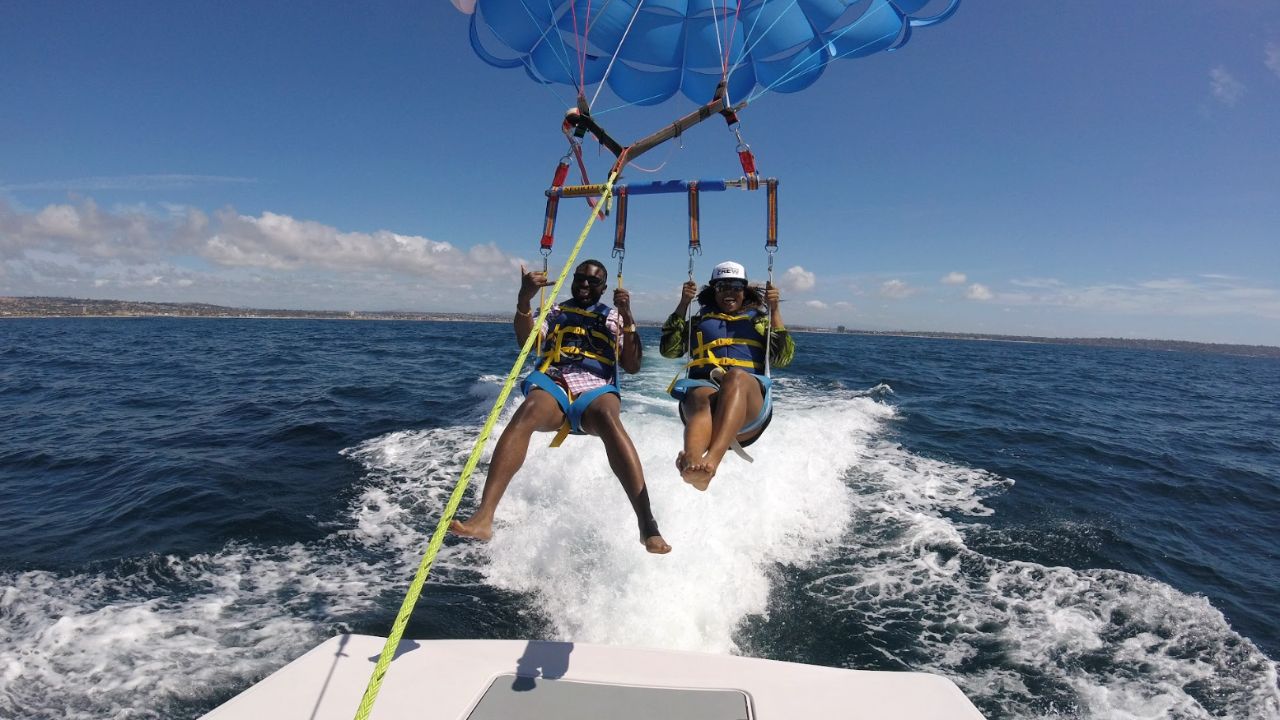
This may sound very basic, but it works because your brain fears the unknown more than the height itself.
Look for full-length boarding-to-landing clips, and notice how slow the lift is. Notice how riders are sitting, not dangling wildly, and pay attention to the landing. It’s usually soft and controlled.
Your brain builds mental rehearsals from what it sees. When you’ve already “experienced” parasailing through video, the real thing feels familiar instead of shocking.
If possible, watch footage from the same company you’re booking with. The tours offered by San Diego Parasail Adventures often show smooth takeoffs and calm landings, which can help reduce that pre-ride tension.
2. Talk to the Crew Before You Commit
You feel less fear when you know the facts. After you’ve booked and have reached the location, don’t stand quietly in your thoughts; ask questions. Good crews respect cautious riders.
Ask things like:
- How high is parasailing today, based on the wind?
- What happens if the wind changes?
- How often is the harness inspected?
- Has anyone ever asked to come down early?
When someone answers calmly and clearly, your nervous system mirrors that calm. You’re not just trusting equipment, but also trusting trained humans, and that human connection matters more than you think.
3. Choose Tandem or Triple Flights
Fear feeds on you when you’re alone, but when you go up with a friend, your focus shifts. Instead of thinking about danger, you’re laughing or talking. You’ll notice that shared nerves turn into shared excitement.
We’ve seen people who were pale on the dock start joking mid-air because their friend cracked a nervous one-liner. You don’t feel alone up there, and that changes the emotional tone completely.
4. Practice Controlled Breathing Before You Board
Most anxiety spikes happen before takeoff, not during flight. Practicing controlled breathing can really help calm your nerves.
Try this breathing pattern while waiting:
- Inhale through your nose for four seconds
- Hold for four seconds
- Exhale slowly for four seconds
- Repeat five to ten times
This slows your heart rate, as it tells your brain you are not in danger. The key is to practice before fear peaks. If you wait until panic hits, it’s harder to regain control.
Do it on the dock, or in the boat, it works magically.
5. Avoid Caffeine and Heavy Meals
Not many think about this, but it helps a lot. Coffee increases heart rate and sharpens alertness. That’s great for work, but not great for someone managing a fear of heights on parasailing.
A racing heart can trick your brain into thinking something is wrong. Therefore, stick to water, eat light, and stay hydrated. Your body will feel steadier, and your mind will follow.
6. Book a Morning Ride for Calmer Conditions
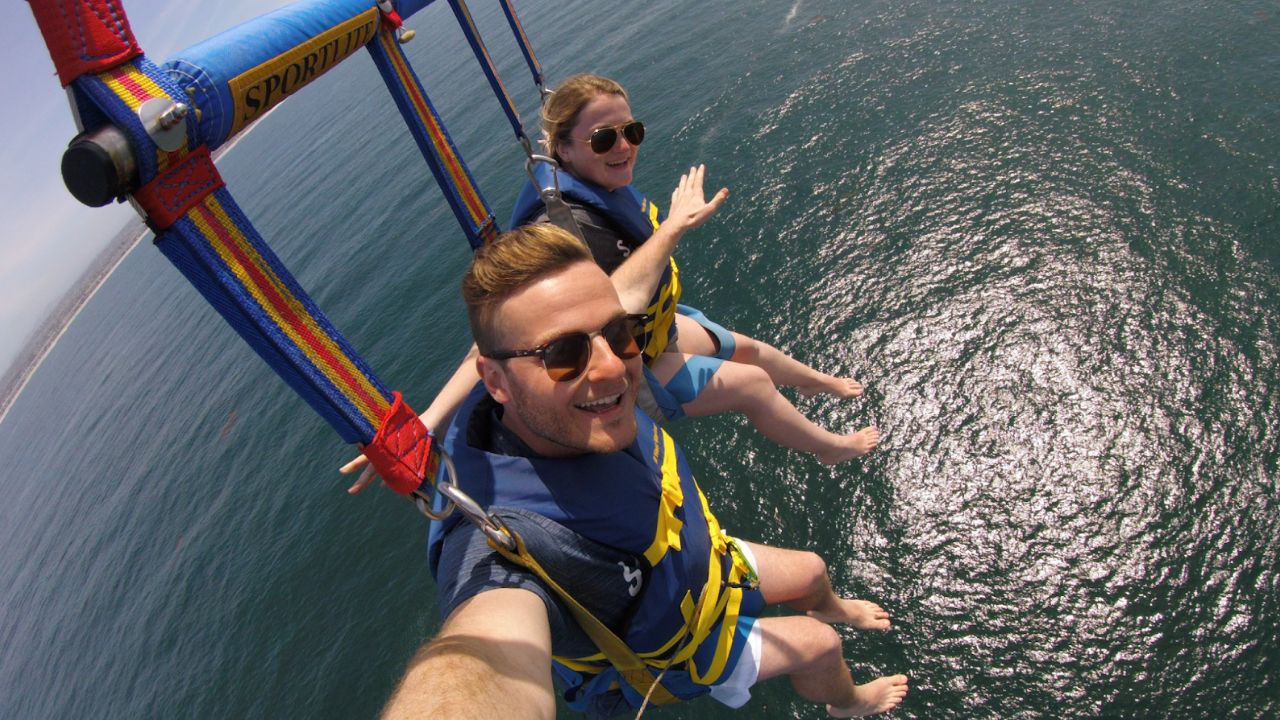
Wind builds throughout the day in many coastal areas. Morning rides often mean smoother air and less boat traffic, which leads to a steadier ascent and less sway.
If you want a calm flying condition, go for early slots. When you’re flying early, you’ll notice that there’s less wind, less motion, and less mental stress.
The tours offered by San Diego Parasail Adventures are often scheduled with earlier departures for exactly this reason, because smooth air equals smoother nerves.
7. Focus on the View, Not Straight Down
Your body balances using visual cues. If you stare straight at the water, your brain magnifies the height. But when you lock onto the horizon line, your body feels more stable.
Pilots use this technique, and so do people who get motion sick.
When you lift off, find the shoreline or distant skyline, and keep your eyes there for the first minute. Let your nervous system adjust gradually.
8. Reframe the Story in Your Head
Your internal dialogue shapes your reaction. Instead of saying, “I hate heights,” try asking, “What if this feels peaceful?”
Parasailing doesn’t feel like standing on a ledge; it feels like you’re floating. You’re not balancing on a ledge but seated, securely and supported. It’s more like sitting in a swing chair that floats upward.
Changing the narrative from danger to curiosity makes a big difference.
9. Give Yourself Permission to Back Out
If you get on the boat and your fear feels overwhelming, you can choose not to fly. There is no shame in that.
Ironically, knowing you can back out often makes it easier to continue. When you don’t feel trapped, you feel calmer.
When You Should Skip It
We would never push you to do something that feels wrong. There are a few cases where you should reconsider:
- You have severe panic disorder triggered by open spaces
- You have a serious heart condition
- You cannot tolerate boat rides
- Weather conditions feel unstable
- You have severe vertigo
Listen to your body, because adventure should stretch you, not traumatize you.
So, Is Parasailing Safe If You’re Afraid of Heights?
For most people, yes.
The structure, harness system, trained crew, and gradual ascent make it far less intense than standing on a rooftop. The fear of heights on parasailing often fades once you’re airborne because the experience feels more like floating than climbing.
If you have a fear of heights on parasailing, you’re not weak; you’re human. The key is to prepare, opt for good operators, and have realistic expectations.
Sometimes the sky looks scarier from the dock than it does from above the water.