

California’s coast looks simple on a map. Yet each section has its own pace and mood. Some mornings call for long walks, while others demand slow drives.
The classic Highway 1 route covers about 608 miles. California’s official itinerary takes four to seven days. However, extra time lets you enjoy each place properly.
A Pacific Coast Highway road trip should include San Diego, Laguna Beach, Santa Barbara, Big Sur, Monterey, and San Francisco. These stops blend beaches, small towns, wildlife, and coastal views. Allow at least seven days, though ten days feels far less rushed.
Why Take a Pacific Coast Highway Road Trip?
This drive offers much more than pretty ocean views. It links lively cities, surf towns, vineyards, redwoods, and quiet coves. Few American road trips change character so often.
The route also gives travelers plenty of choice. You can surf, hike, explore museums, or watch whales. You can also do absolutely nothing beside the sea.
A few practical choices will make the journey easier:
- Allow seven to ten days for the full trip.
- Drive north to south for easier ocean viewpoints.
- Reserve popular hotels and campsites early.
- Download maps before entering Big Sur.
- Fill your gas tank before remote sections.
- Keep a jacket nearby, even during summer.
- Check Highway 1 conditions before leaving.
Caltrans provides live updates for closures and controlled traffic. Conditions can change after storms or roadwork. Always check the official Highway 1 report before traveling.
11 Amazing Stops on Your Pacific Coast Highway Road Trip
1. San Diego
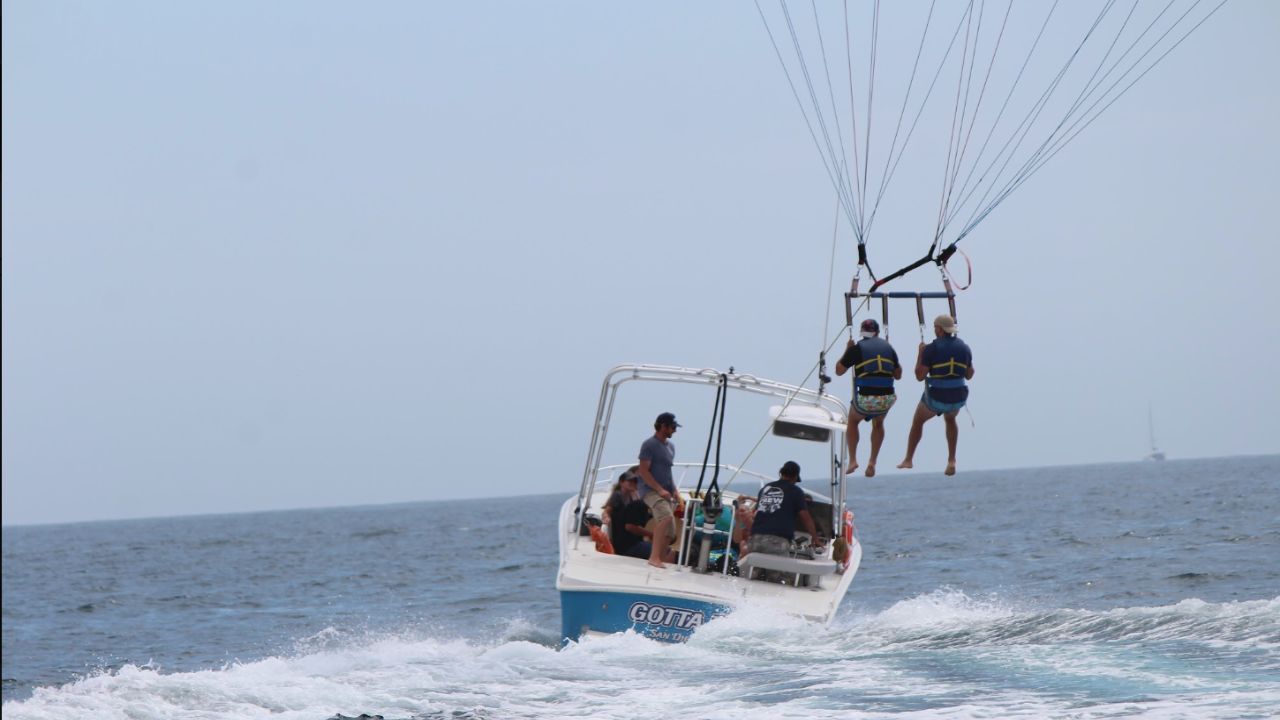
San Diego is a sunny and active starting point. You’ll find beaches, parks, and waterfront areas that fill the city. Begin around Mission Bay or nearby Ocean Beach. Both areas offer easy access to sand and water. Morning skies are often calmer for outdoor plans.
For a special start, book the Cloudhopper 600-Foot Flight with San Diego Parasail Adventures. The experience includes 6 to 8 minutes of airtime. The full boat ride and sky tour lasts about 1.25 hours.
Passengers take off and land on the boat’s flight deck. That means you do not run from the beach. It is a neat choice for beginners seeking mild thrills. Spend the rest of your day exploring Balboa Park. Then enjoy fish tacos near the coast. Locals will debate their favorite shop with great passion.
2. Laguna Beach
Laguna Beach feels artistic, polished, and wonderfully compact. Its coves sit below cliffs lined with coastal homes. Downtown galleries add color beyond the shoreline.
Visit Heisler Park for a relaxed coastal walk. The paths offer ocean views without a hard hike, and benches make it easy to pause and watch waves.
Parking can test anyone’s patience during summer. Arrive early or use the local trolley when available. This small choice can save an hour of circling.
3. Santa Monica
Santa Monica brings classic Southern California energy. Its pier features rides, games, food, and wide views. The beach path stays lively through most daylight hours.
Walk to Venice Beach if time allows. The route passes cyclists, skaters, runners, and street performers. It feels like several worlds sharing one sidewalk.
4. Malibu

Malibu replaces city noise with cliffs and open water. The road runs beside famous beaches and hillside homes with some sections that feel surprisingly wild.
Stop at Point Dume for broad coastal views. The bluff trail is short but very rewarding. During migration seasons, you may spot whales offshore.
Keep your camera ready, but park with care. Roadside spaces can disappear fast on warm weekends. Never stop where the shoulder feels tight or unsafe.
5. Santa Barbara

Santa Barbara pairs Spanish-style buildings with palm-lined streets. The city is often called the American Riviera. You can walk along Stearns Wharf and nearby State Street. Then explore the Funk Zone’s cafés and art spaces. Old Mission Santa Barbara adds local history and calm gardens.
This is also a good place for slower travel where you can stay overnight and let the car rest.
6. Pismo Beach
Pismo Beach offers a playful Central Coast break. Its wide beach invites walks, picnics, and sunset stops. Try local clam chowder or fresh seafood for lunch. Then walk the pier before returning north.
Nearby dunes add a different landscape. Still, protect the plants and follow marked access routes. Coastal land can be more fragile than it appears.
7. San Luis Obispo
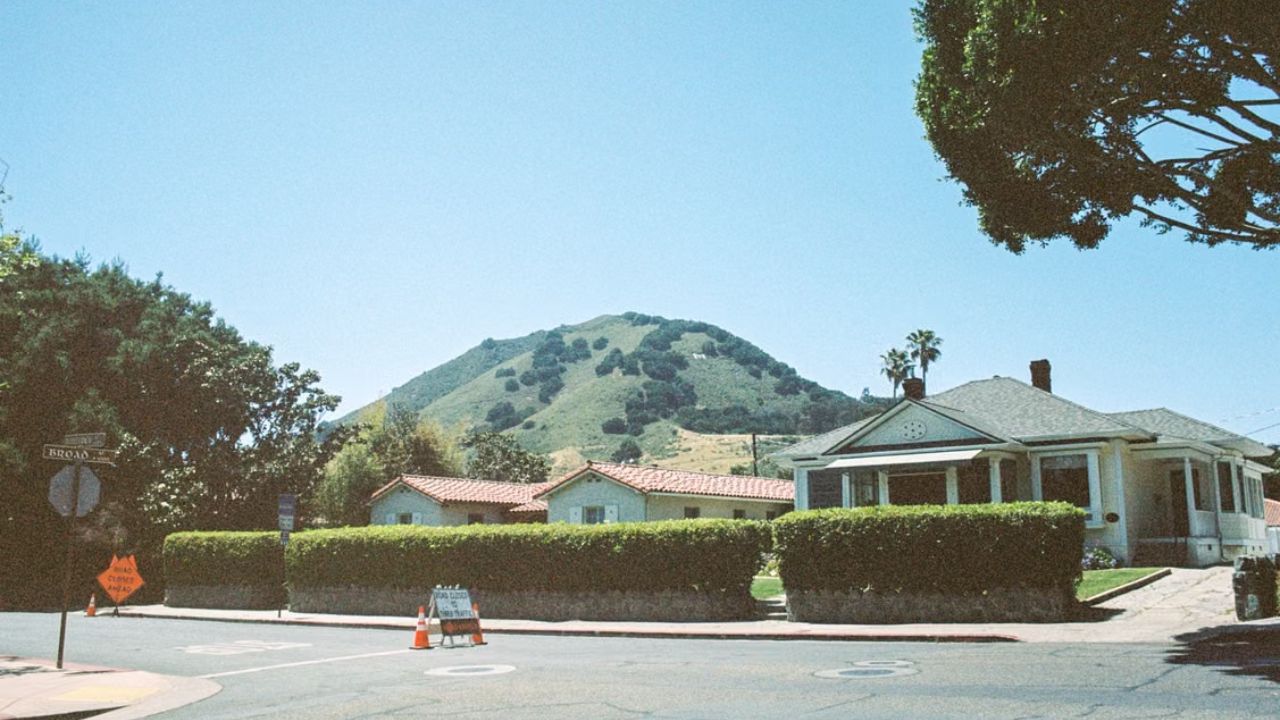
San Luis Obispo brings food, history, and college-town charm. Locals simply call it SLO. The nickname suits its warm and easy pace. Here you can explore Mission Plaza and the nearby downtown streets.
Thursday evenings often feature a lively farmers market. Local tri-tip is a favorite worth seeking. This town also makes a practical overnight base. Restaurants and fuel are also easy to find here.
8. San Simeon and Hearst Castle
San Simeon places grand history beside a rugged shore. Hearst Castle rises high above the coastal road. Architect Julia Morgan designed its striking estate.
Then visit the elephant seal viewpoint near Piedras Blancas. You may hear the colony before seeing it. Their grunts sound like a very grumpy town meeting.
Remember to keep a safe distance from all wildlife. Use the marked boardwalk and viewing areas. Wild animals need space, even when resting.
9. Big Sur
Big Sur is the heart of any Pacific Coast Highway road trip. Redwoods, cliffs, mist, and sea meet along winding roads where every turn seems built for a postcard. Stop at approved pullouts near Bixby Creek Bridge. Never stand in traffic for the perfect picture.
Julia Pfeiffer Burns State Park offers views toward McWay Falls. The park warns visitors to remain behind fenced boundaries. The beach and waterfall area are closed to public access.
Pfeiffer Big Sur State Park offers redwood trails and river scenery. It does not provide direct beach access. Pfeiffer Beach has a separate entrance and fee.
Big Sur deserves at least one full day. Therefore, pack water, snacks, and a warm layer. Cell service remains weak across many stretches.
10. Carmel-by-the-Sea and Monterey
Carmel-by-the-Sea feels like a village from a storybook. Small cottages, galleries, and cafes fill its walkable center. Carmel Beach adds soft sand and sunset views.
Nearby Monterey offers a busier waterfront experience. Cannery Row reflects the city’s fishing and literary past. The renowned aquarium anchors the area for families. The scenic 17-Mile Drive connects several famous coastal sights.
Entry usually requires a fee for private vehicles. So, allow extra time for overlooks and wildlife. Also, if choosing one overnight stop, Monterey offers more options. Carmel feels quieter and more romantic. The best choice depends on your budget and travel style.
11. San Francisco
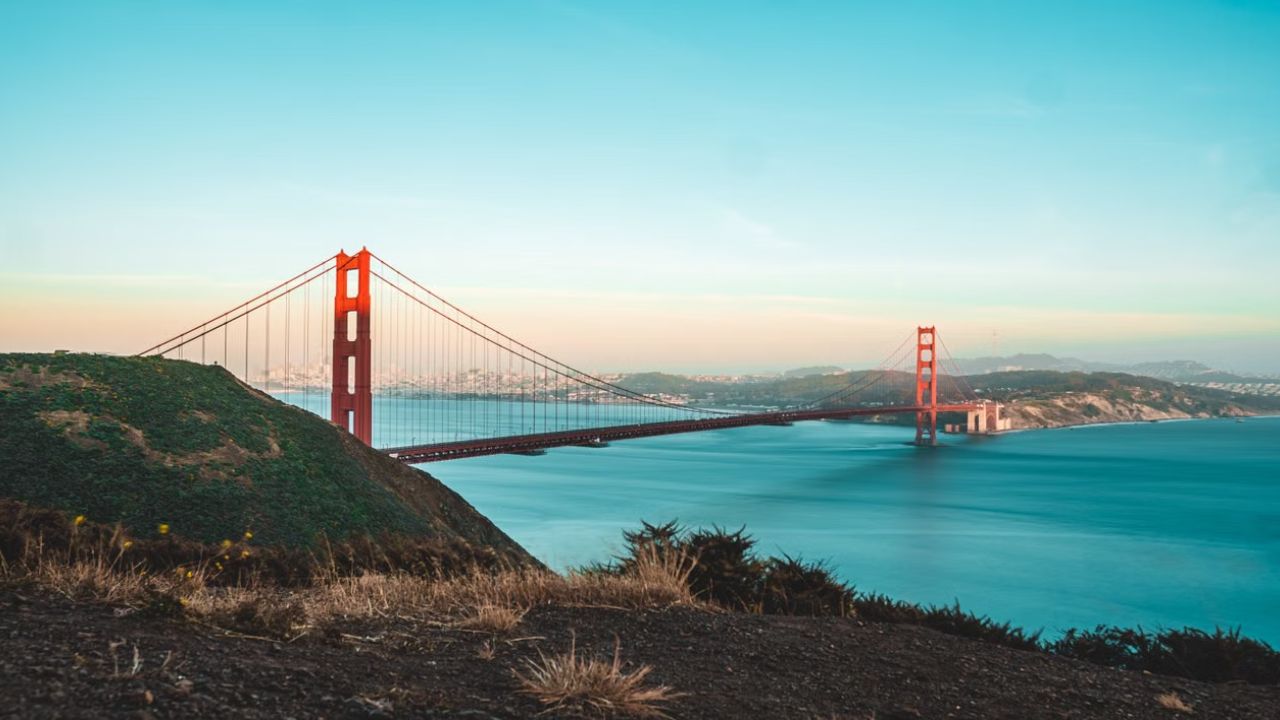
San Francisco makes a dramatic finish. Hills rise above the bay, while fog frames familiar landmarks. The city feels bold after days of quiet coastline.
Walk near the Golden Gate Bridge or explore the Presidio. Fisherman’s Wharf offers classic visitor energy and sea lions. Neighborhoods like North Beach bring better evening dining.
Do not leave luggage visible inside your vehicle. Move bags into your hotel before sightseeing. A simple precaution prevents a painful trip ending.
Best Time for a Pacific Coast Highway Road Trip
Spring brings green hills and blooming coastal plants. Fall often brings clear skies and lighter crowds. Both seasons suit long driving days well.
Summer offers warm weather but larger crowds. Coastal fog may hide views during early mornings. Also, hotel prices tend to rise sharply.
Winter feels peaceful, yet rain can cause road problems. Big Sur is especially prone to slides and closures. Flexible bookings provide valuable peace of mind.
Regardless of season, pack for quick weather changes:
- Light jacket or warm sweater
- Comfortable walking shoes
- Sunscreen and sunglasses
- Refillable water bottle
- Car charger and power bank
- Downloaded maps
- Small cooler for snacks
- Motion sickness medicine, if needed
Make the Drive Part of the Experience
Do not judge this route by daily mileage alone. A short coastal drive can consume several wonderful hours. Viewpoints, wildlife, and small towns keep changing your plans. Share driving duties whenever possible. The driver should watch the road, not the cliffs. Switch roles so everyone enjoys the views safely.
Keep some room for unplanned stops. That quiet cove may become your favorite memory. Road trips work best when the schedule can bend. The finest Pacific Coast Highway road trip is not the fastest one. It leaves time for sea air, local meals, and detours.
FAQs
Q1: How long does a Pacific Coast Highway road trip take?
The San Diego-to-San Francisco route needs at least four days. Seven to ten days provides a much better experience. This pace leaves room for major stops and short hikes.
Q2: Is the Pacific Coast Highway difficult to drive?
Most sections are manageable for confident drivers. Big Sur has bends, cliffs, fog, and narrow shoulders. Drive slowly, avoid distractions, and use official pullouts.
Q3: Can beginners try parasailing in San Diego?
San Diego Parasail Adventures uses winch-direct parasailing. Guests take off and land from the boat. The Cloudhopper includes 600 feet of flight line and about 6 to 8 minutes of airtime.
Q4: Is Highway 1 always open through Big Sur?
No, storms, slides, or repairs may cause restrictions. Check Caltrans road conditions immediately before departure. Never rely only on an old map or saved route.