
Parasailing is one of the most thrilling ways to enjoy the open sky and the wide ocean. Many travelers want to try it, but one common question rises every time: how high do parasails go? Knowing the exact height helps you feel safe, prepared, and ready for the experience. In this guide, we explain everything you need to know about parasailing heights, safety rules, flight conditions, and what happens during the ride.
Pair your visit with Go Parasailing and make your holiday season feel extra alive. Soar above the water, breathe in the cool breeze, and watch the world shine below you. It’s the kind of fun that turns a simple trip into a holiday memory you’ll talk about for years.
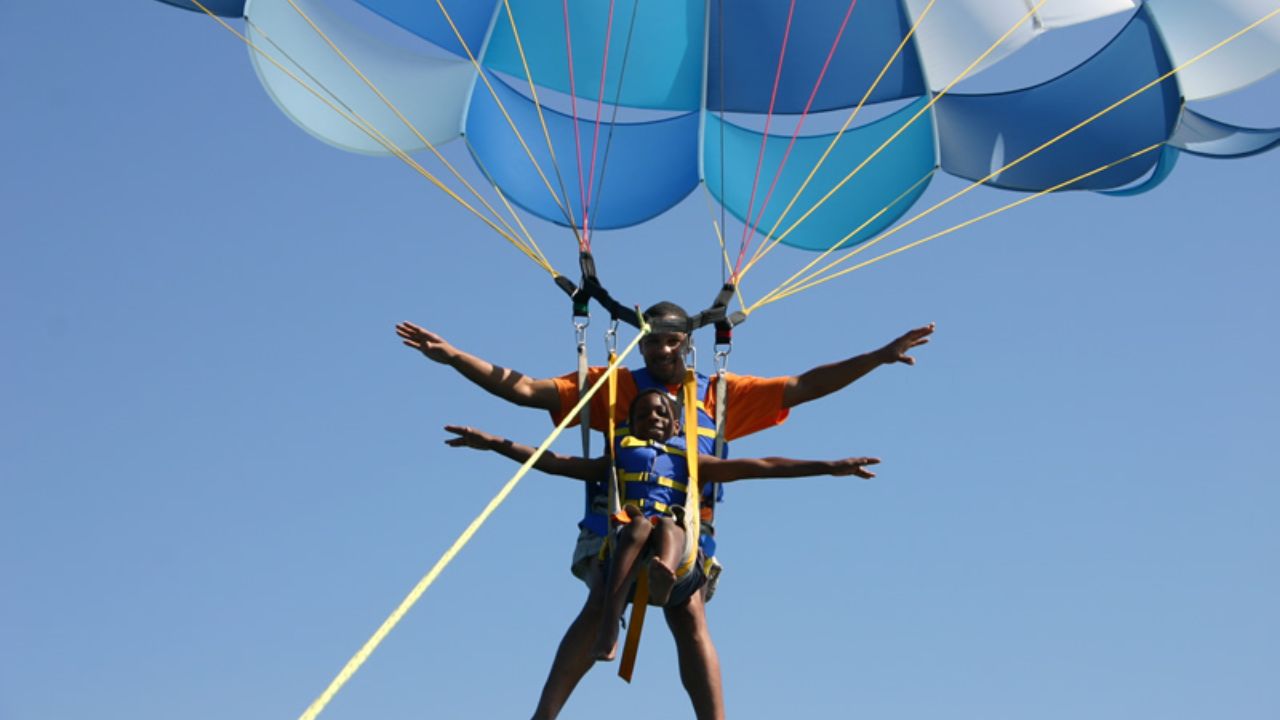
Understanding Standard Parasailing Heights
Most commercial parasailing operators fly between 300 and 500 feet above the water. This height level gives you the best mix of safety, stability, and clear scenic views. The height is not random. It is set after years of testing performed by operators, manufacturers, and safety agencies.
In many popular beach destinations, operators use a standard towline length of 600 to 800 feet. Towline length is not the same as flight height, because the line stretches at an angle. A towline of 600 feet usually gives a real flight height of around 300 feet, while an 800-foot line can take you up to about 500 feet.
Some locations may take you slightly higher, but 500 feet is the common safe limit in most regions.
Why Parasailing Height Is Limited
Parasailing heights are limited for several important reasons. These limits come from both safety and weather rules followed by operators.
- Wind control: Higher altitudes bring stronger winds, which may be unsafe.
- Boat power: The boat must maintain steady speed to support the parasail.
- Rope strength: Towline quality and material decide the maximum safe height.
- Local regulations: Many coastal regions set maximum height rules to avoid risk near aircraft routes.
These rules ensure a smooth, comfortable flight without sudden drops or strong pulls.
How Operators Decide Your Flight Height

Your parasailing height depends on a few simple factors. You can also opt for GO Parasailing Adventures, where trained professionals guide every step with care. They check wind, equipment, and sea conditions to choose the safest and smoothest height for your flight. Your parasailing height depends on a few simple factors:
- Wind speed on the day
- Water conditions
- The towline length is approved in that area.
- Number of people flying together
- Parasailing equipment type
Light wind usually allows higher flights because the parasail remains steady. Strong wind may keep your height lower even if the towline is long. If you fly in pairs or triples, the boat may adjust height slightly because of added weight.
What 300–500 Feet Actually Feels Like
Most people cannot judge height while flying. At 300 feet, the view looks wide and calm. You get a wide view of the coastline, with boats, reefs, and waves visible from above. The flight feels peaceful and floaty.
At 500 feet, the world looks even larger. You see bright colors in the water, large clouds, and long shoreline curves. You do not feel drops or speed changes. The ride is smooth because the parasail stabilizes naturally in the wind.
Even at the highest legal limit, the flight is gentle and not scary. Many first-time flyers are surprised by how comfortable it feels.
Can You Ask to Fly Higher?
In most cases, you can request a higher flight if:
- The weather is clear.
- The wind is stable.
- The operator allows it
- The local rules permit it.
However, no operator will fly above the safe or legal limit. Safety rules come first. If conditions are perfect, many operators will take you to the maximum allowed height.
How Weather Affects Parasailing Height?
Weather plays the biggest role in deciding how high parasails can go. Operators check the sky and wind conditions before every ride.
Wind Speed
Parasailing is safest when the wind stays between 12 and 20 miles per hour. This range keeps the parasail steady at higher altitudes. If the wind is too strong or too weak, the operator will adjust the height.
Cloud Cover
Operators avoid heavy cloud layers because clouds may hide the parasail, making it difficult to track from the boat.
Tide and Water Movement
Calm water helps the boat maintain a steady speed, which allows higher flights.
Weather rules protect you from sudden jerks, swings, or rapid descents.
Do Different Countries Have Different Height Rules?
Yes. Parasailing heights can change depending on where you fly. Here are common guidelines:
- United States: Many regions limit flight height to 500 feet.
- Europe: Common towline lengths range from 600 to 1000 feet, giving heights between 300 and 500 feet.
- Asia: Flight heights often follow beach rules and stay within 300–450 feet for safety.
These limits are set through local maritime regulations and often follow Coast Guard guidelines.
Parasailing Equipment That Controls Height
The height of your parasail depends on the equipment used:
Towline
Made from strong marine-grade materials. Rope length and strength decide how high you can go.
Parasail Wing
Different parasail sizes are selected depending on wind and passenger weight. Larger wings help flyers reach steady heights even with lighter wind.
Harness and Bar
These keep up to three the flyers stable and aligned at higher altitudes.
Boat Power
More powerful boats maintain steady tension, allowing higher flights even with multiple flyers.
Adequate equipment ensures smooth takeoff, flight, and landing.
Do Higher Flights Mean Greater Risk?
Higher flights do not mean more danger. Parasailing safety depends more on:
- Operator skill
- Equipment quality
- Weather conditions
- Routine safety checks
At 300 feet or 500 feet, the flight feels almost the same. The operator monitors the rope tension and wind to keep everything steady.
What Happens During a High Parasailing Flight
If this is your first time, here is what you can expect:
- You wear a harness and life jacket.
- The crew connects the harness to the parasail bar.
- The boat moves forward slowly.
- The parasail rises naturally with the wind.
- You lift off gently and climb to your set height.
- You enjoy steady views without loud noise.
- The crew lowers you back softly toward the boat or water.
There are no sudden drops or fast swings. The ride stays calm from start to finish.
Who Should Choose Lower or Higher Flights
Choose lower flights (300 feet) if you are:
- A first-time flyer
- Nervous about heights
- Flying with younger children
Choose higher flights (450–500 feet) if you want:
- A wider panoramic view
- More time in the air
- A stronger sense of elevation
Both options are safe and depend on your comfort level.
Conclusion: How High Do Parasails Really Go?
In most places, parasails fly between 300 and 500 feet above the water. This range offers a perfect blend of safety, comfort, and wide ocean views. Height depends on weather, wind, towline length, and local rules.
You don’t have to worry about anything; just join Go Parasailing Adventures and enjoy the moment with guided professionals around you. Whether you fly low or high, parasailing gives you a calm ride and a beautiful sky-level experience.
FAQs
- What is the usual parasailing weight limit?
Most parasailing weight limits range between 150 and 450 pounds combined. The exact limit depends on wind, weather, and equipment safety checks. - Can kids or seniors parasail safely?
Yes. It’s some of the most thrilling and safe for kids to fly. If they meet the minimum weight, seniors can join as long as they feel comfortable sitting in a stable harness. - Do I need any experience before parasailing?
No. Parasailing does not require any skills. The team guides you through each step, from takeoff to landing. - How high do parasails usually fly?
Most flights range from 300 to 500 feet above the water. The height depends on weather, towline length, and local rules. - Is it safe to parasail with Go Parasailing Adventures?
Yes. You don’t have to worry about anything. Go Parasailing Adventures offers trained professionals who follow strong safety standards to give you a smooth and fun flight.