
You’ve seen people flying up in the air while parasailing, but have you ever wondered how these parachutes actually work?
Parasailing parachutes work by using forward boat speed to fill a specially designed canopy with air, creating lift that gently raises you into the sky while a secure harness and towline keep you safely connected the entire time.
If you’re thinking about booking a parasailing trip, your main worry is probably, “Is this thing actually safe?” And if you can deal with the fear of heights on parasailing, will your stomach flip the whole time?
Let’s walk through how it really works.
9 Insights On How the Parachute Actually Lifts You
So, how do parachutes work? The parasail parachute, just like any other parachute, looks like a big, bright parachute, but it acts more like a wing for you when tied to the boat.
When the boat moves forward, air rushes into the open cells at the front of the canopy. The shape of the parasail forces air to move faster over the top and slower underneath. That difference creates lift, and you simply rise as the boat gains speed.
This is why parasailing feels smooth, as the boat controls your height. If the captain speeds up slightly, you climb. If they slow down, you descend.
Now let’s break down what really happens up there.
1. The Canopy Is Built for Lift, Not Just Drag
When most people hear “parachute,” they picture something that slows a fall. A parasail canopy is different, as it acts more like a wing than a brake.
The canopy is made of strong nylon fabric that has panels sewn in a curved shape. When the boat moves forward, air flows into the open cells at the front. The canopy fills and takes shape. That curved surface creates lift, just like an airplane wing.
You rise because of forward motion, not because you are falling. This is why parasailing feels steady. You are not dropping. You are gliding.
2. The Boat Is the Engine of the Whole System
The real power behind parasailing is the boat, not speed or lift.
The captain controls how high you go by adjusting speed and the length of the towline. Modern parasailing boats are built with a winch system at the back. This system lets the crew send you out and bring you back in without you ever touching the water if conditions allow.
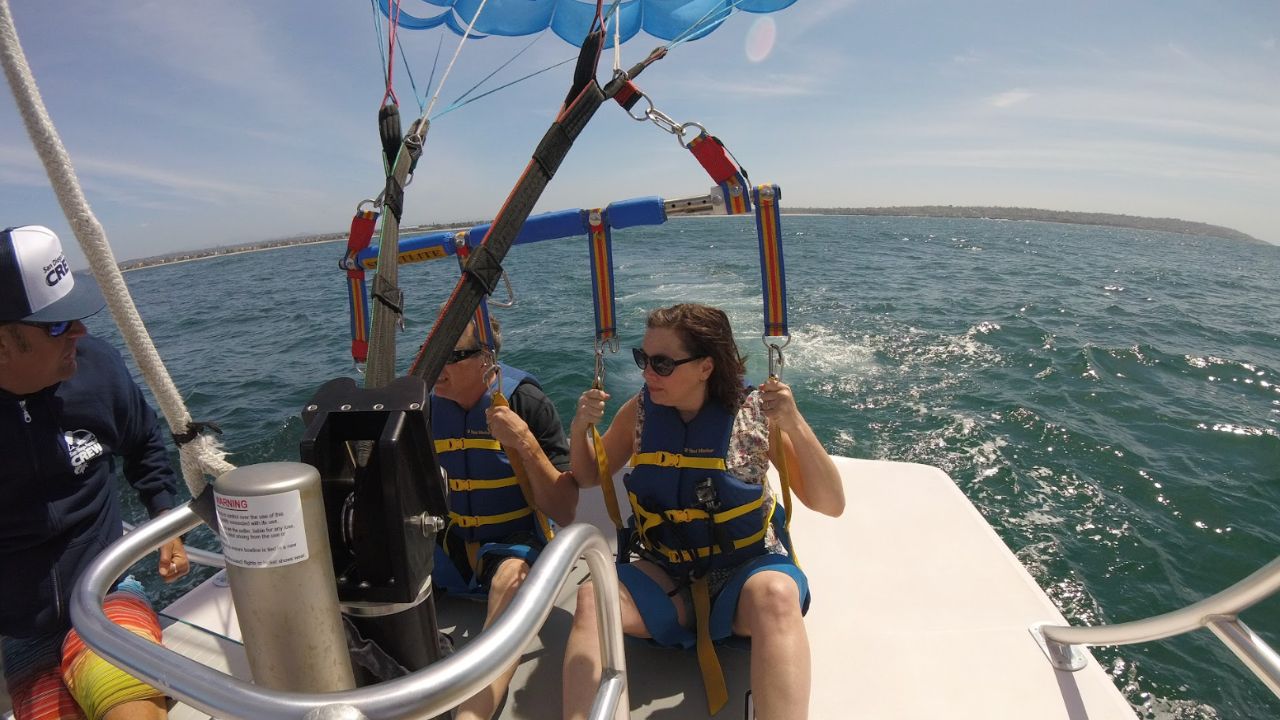
When you book with experienced operators like San Diego Parasail Adventures, trained captains manage speed and distance carefully. They carefully read the wind, waves, and your comfort level the whole time.
3. The Towline Keeps Everything Connected
The parasail is attached to the boat with a high-strength towline. This line is rated to handle far more weight than you will ever put on it.
Think of it like a strong leash between you and the boat. The tension in the line helps stabilize the canopy. As long as the boat keeps moving at the right speed, the canopy stays inflated and steady.
4. The Harness Distributes Your Weight
One of the biggest worries people have is falling out. That almost always comes from a fear of heights on parasailing.
Here’s what really happens. You sit in a secure harness that supports you under your legs and around your hips. The harness connects to a spreader bar, which evenly distributes your weight. That balance keeps you upright and stable.
Before takeoff, the crew double-checks:
- All clips are locked
- The harness fits snugly
- The connection points are secure
- You understand hand signals and instructions
They do this every single time, which is a routine for them, and that routine builds safety.
5. Wind Is Your Friend, Not Your Enemy
Parasailing works best in steady, moderate winds. Gusty conditions can cause sway. That’s why reputable operators cancel when needed.
Good operators check marine forecasts and local conditions daily. If wind shifts too much, trips get delayed or canceled. That can be frustrating when you are on vacation, but it’s also reassuring.
You want a captain who says no when needed. When you go with established companies like San Diego Parasail Adventures, weather calls are part of the safety culture. That’s a sign of professionalism, not inconvenience.
6. Height Feels Different Than You Expect
Here’s something people don’t expect. Two hundred feet over water feels lower than standing on a tall building.
Why? Because there’s no visual reference like trees or buildings. The ocean looks wide and flat, and your brain doesn’t process depth the same way.
It feels more like floating than hanging.
7. The Launch and Landing Are Controlled
Another big doubt is takeoff. Do I have to jump?
No. You usually start seated on the back platform of the boat. As the winch releases the line and the boat moves forward, you gently lift off, and your feet leave the deck without effort.
Landing works in reverse, where the winch pulls you back in slowly, and you touch down seated. There is no dramatic impact or hard drop.
Knowing this often changes the decision for first-timers. The scariest part in your head turns out to be the calmest part in real life.
8. Equipment Is Designed With Redundancy in Mind
Modern parasailing gear follows strict safety standards. While exact regulations vary by state, reputable operators use:
- High-grade marine towlines
- Commercial winch systems
- UV-resistant canopy materials
- Regularly inspect harnesses and carabiners
- Coast Guard-approved life jackets
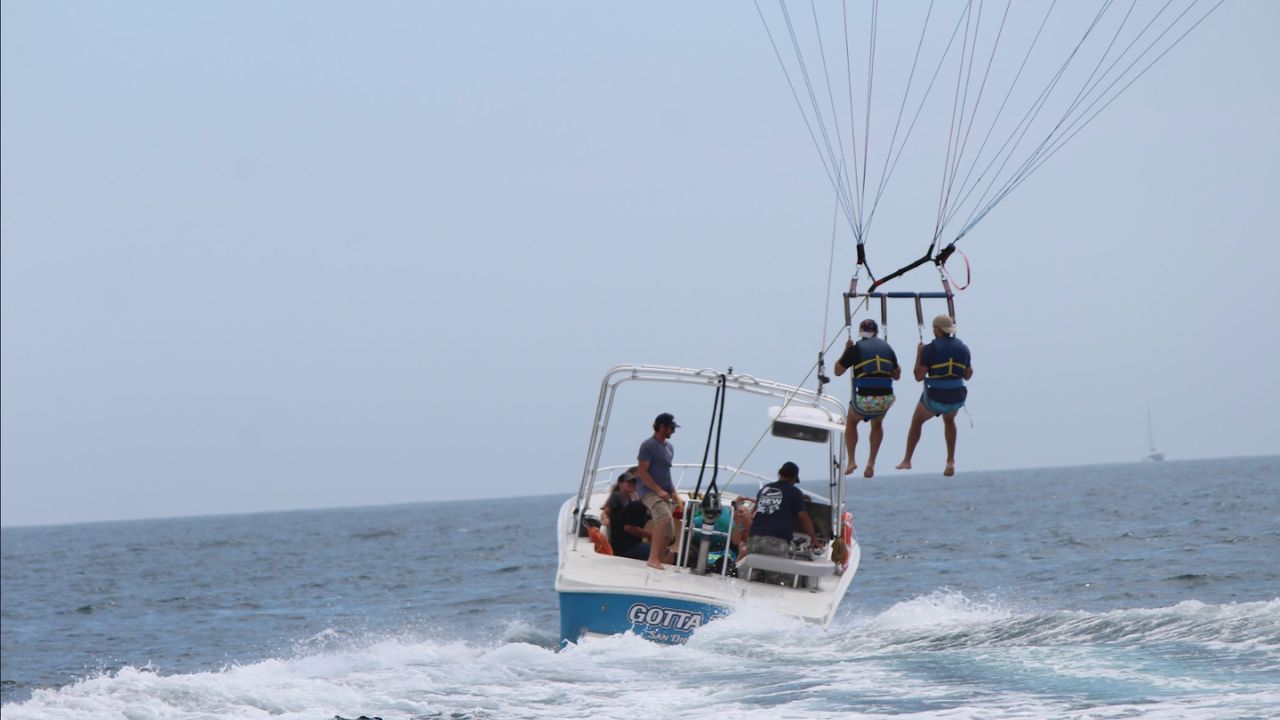
Many companies also follow guidelines from the Watersports Industry Association. Equipment is inspected daily and replaced on schedule. Parasailing has a professional system designed to handle salt, sun, and repeated use.
9. Your Role Is Simple But Important
You might wonder, do I need special skills? The short answer is no.
Parasailing is beginner-friendly, where you do not have to steer or control the canopy. You simply have to sit back and enjoy.
Still, you have responsibilities:
- Listen carefully during the safety briefing
- Follow hand signals
- Stay relaxed in the harness
- Tell the crew if you feel nervous
If you are anxious, say it out loud. Good crews respond with reassurance and clear instructions. Silence helps no one.
Final Thoughts as You Picture Yourself Up There
Parasailing works because of steady boat speed, a wing-shaped canopy, strong lines, and trained crews who manage every variable they can control. It is a system built on physics and practice, not luck.
Your nerves are normal, and almost everyone feels them. But once you understand how the parachute works and how much control the crew has, the unknown becomes familiar.
So the real question is not just how parasailing works. It’s whether you are ready to see the ocean from a view most people only dream about.