
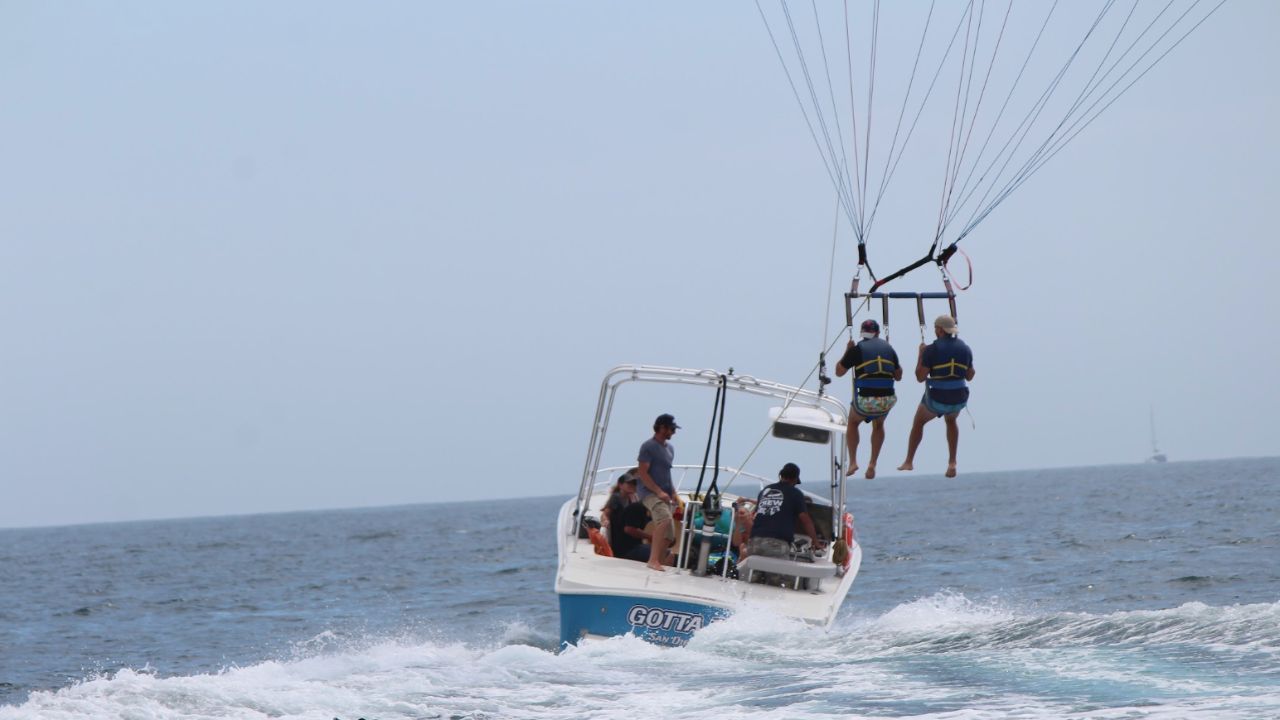
Parasailing is beginner-friendly when you choose a skilled crew, follow instructions, and respect weather limits. You do not need prior training or great strength. The boat and winch system control your rise and return.
Still, first flights bring many questions. Will takeoff feel like a sudden jump? What happens if you cannot swim? Can you fly with a friend? These parasailing first time tips explain each decision before you reach the dock.
Is Parasailing Safe for First-Time Flyers?
Parasailing looks far more intense from the shore. Once airborne, the ride often feels calm and smooth. You sit in a fitted harness while the parasail lifts gradually.
A professional crew controls the boat, towline, and winch. Riders do not steer the parasail or manage the flight. Your main job is to listen, stay relaxed, and enjoy the view.
Safety also depends on the operator you select. Ask about captain licensing, crew training, equipment care, and weather rules. A clear answer builds trust, while a vague answer should raise concern.
9 Parasailing First Time Tips for a Safe Flight
1. Choose an Experienced Parasailing Operator
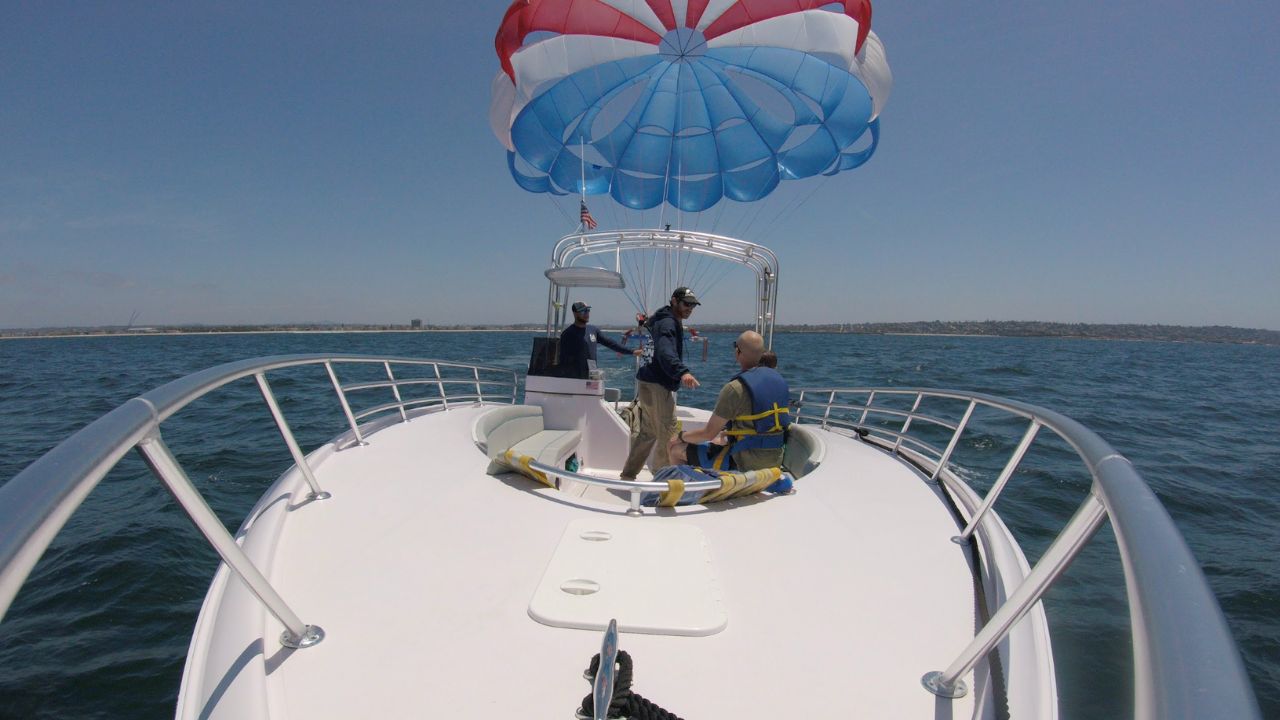
Why does the operator matter so much? The crew makes every key call. They assess the wind, prepare the gear, fit your harness, and manage your flight.
Look beyond the lowest price or flashiest social media page. A safe operator should have licensed captains, maintained boats, clear policies, and strong recent reviews. The staff should also welcome questions instead of rushing you aboard.
San Diego Parasail Adventures states that its captains hold US Coast Guard licenses. The company has operated since 1989 and uses winch-direct parasailing. Riders launch from and return to the boat’s rear flight deck, rather than running from a beach.
2. Let the Weather Guide Your Plans
San Diego may look sunny from your hotel window. Yet Mission Bay can have its own breeze and marine layer. A gray morning may clear, while a bright afternoon can bring stronger wind. Wind, waves, rain, and poor visibility can change flight conditions. That is why the captain, not the guest, makes the final call.
Do not pressure the crew to fly during unsafe conditions. A delay can feel annoying, especially during a short trip. Still, missing one time slot is better than forcing a bad one. Check the operator’s weather policy before paying.
3. Share Health Concerns Before Boarding
Parasailing requires little athletic skill, but health still matters. Back pain, neck injuries, recent surgery, heart issues, or severe motion sickness may affect your comfort. Pregnancy or limited mobility may also change what is safe.
Tell the operator about any concern before booking. If needed, ask your doctor whether the activity suits you. Hiding a condition places both you and the crew in a hard spot.
This is one of the most useful parasailing first time tips because it prevents last-minute surprises. By knowing any medical conditions beforehand, the captain may approve your flight, suggest a change, or advise against riding.
4. Confirm the Age, Weight, and Flight Rules
Parasailing gear has working limits. Wind, sea conditions, rider weight, and the chosen canopy all affect flight setup. That is why a promised solo or tandem flight may change at the dock.
Do not guess a child’s weight or hide your own. Accurate numbers help the crew balance the parasail. If you hope to ride beside someone, ask whether it seems likely, but stay open to changes.
5. Dress for the Boat, Wind, and Sun
You do not need a special parasailing outfit. Casual beachwear, shorts, swimsuits, and T-shirts usually work well. A light sweatshirt or windbreaker can help when the boat picks up speed.
Choose clothes that fit well and allow easy movement. Leave loose scarves, large hats, and costly jewelry behind. These items may fly away or get caught during gear fitting.
The Pacific breeze can feel cool even on a bright San Diego day. Also, never trust the marine layer to block the sun. UV rays can still reach your skin through thin clouds.
6. Listen Closely During the Safety Briefing
The safety talk may sound simple, but every detail has a purpose. The crew explains your harness, seating position, takeoff, hand signals, and landing. Listen even if you have watched ten parasailing videos.
Ask for another explanation if something feels unclear. Good questions are never embarrassing on a boat. It is far better to ask, “Where should my hands go?” before the towline begins moving.
Among all parasailing first time tips, this one requires the least effort. Yet it can make the whole ride feel easier. Familiar steps leave less room for panic.
7. Check the Fit of Your Safety Gear
A life jacket and harness should feel secure, not painfully tight. The crew should select the right size and check each strap. Speak up if a buckle pinches or a strap feels loose.
Take a quick look at the equipment as well. Fabric should not show clear tears, loose stitching, or severe wear. The Professional Association of Parasail Operators advises guests to notice the condition of the boat and flight gear.
Do not adjust or unclip anything by yourself. Ask the crew to make each change. A skilled team would rather refit you than send you up feeling unsure.
8. Stay Calm During Takeoff and Landing

Here comes the big question: does takeoff feel like jumping from a plane? No. With winch-direct parasailing, riders sit on the boat’s flight deck and rise as the line feeds out.
Try not to stiffen your legs or pull against the harness. Take one slow breath and look toward the horizon. The lift tends to feel smooth, like a swing rising through the air. Landing follows the same process in reverse. The winch brings you back toward the deck at a controlled pace. Follow the crew’s position cues and avoid reaching for the boat too early.
San Diego Parasail Adventures offers the Cloudhopper flight as its most popular option. It deploys 600 feet of line and provides about six to eight minutes of airtime. The whole boat and sky experience lasts around 1.25 hours.
9. Decide Beforehand Whether You Want to Get Wet
Parasailing does not always mean splashing into the ocean. With a boat-deck launch, you can often begin and finish dry. Some crews may offer a light foot or leg dip when conditions allow. If you prefer to stay dry, tell the captain before takeoff. Do not wait until you are already in the air. The crew can then plan your return with that request in mind.
A water landing may still happen in a rare emergency. This is why every rider wears a life jacket. You do not need swimming skills for the normal flight, but you must keep the vest secured.
Common First-Time Mistakes to Avoid
Nerves can make people forget simple things. One guest may skip breakfast, while another brings an unsecured phone. A third may arrive late and miss the briefing.
Avoid these common errors:
- Drinking alcohol before the trip
- Arriving at the last minute
- Ignoring motion sickness concerns
- Carrying loose or costly items
- Booking without reading the cancellation terms
- Staying silent about an uncomfortable harness
- Insisting on flying in poor weather
- Assuming a certain flight setup is guaranteed
San Diego Parasail Adventures asks passengers to arrive at least 30 minutes early. Its vessel holds no more than 12 passengers per trip. Reservations are also recommended because space can fill quickly.
A Smart Final Check Before You Fly
The best parasailing first time tips are simple: research the crew, respect the weather, share health details, and listen carefully. Wear practical clothes and check that your gear fits. Then let the crew handle the technical work.
A first flight should feel exciting, not careless. When the operator answers your questions with patience, you can step aboard with far more trust. The real surprise may be how quickly fear turns into a wish for another few minutes in the sky.
FAQs
Q1: Do you need to know how to swim before parasailing?
No, swimming is not normally required. Riders wear life jackets throughout the flight. Tell the crew if you cannot swim so they know your comfort level.
Q2: Does parasailing feel scary for beginners?
Takeoff may feel tense for a few seconds. Once airborne, many riders find the flight smooth and quiet. Looking at the horizon can also help calm nerves.
Q3: Can a first-time guest parasail with another person?
Yes, tandem and triple flights may be possible. Weight, weather, equipment, and the captain’s decision determine the final setup. No specific setup should be treated as guaranteed.
Q4: What should you eat before parasailing?
Choose a light meal that you already know sits well. Avoid a heavy, greasy breakfast and excess caffeine. If you get motion sickness, seek medical advice about suitable options before the trip.
Q5: Can you carry your phone while parasailing?
Leaving a loose phone on the boat is safer. San Diego Parasail Adventures discourages personal camera gear because riders may drop it. If photos matter, ask about the operator’s tethered camera option.